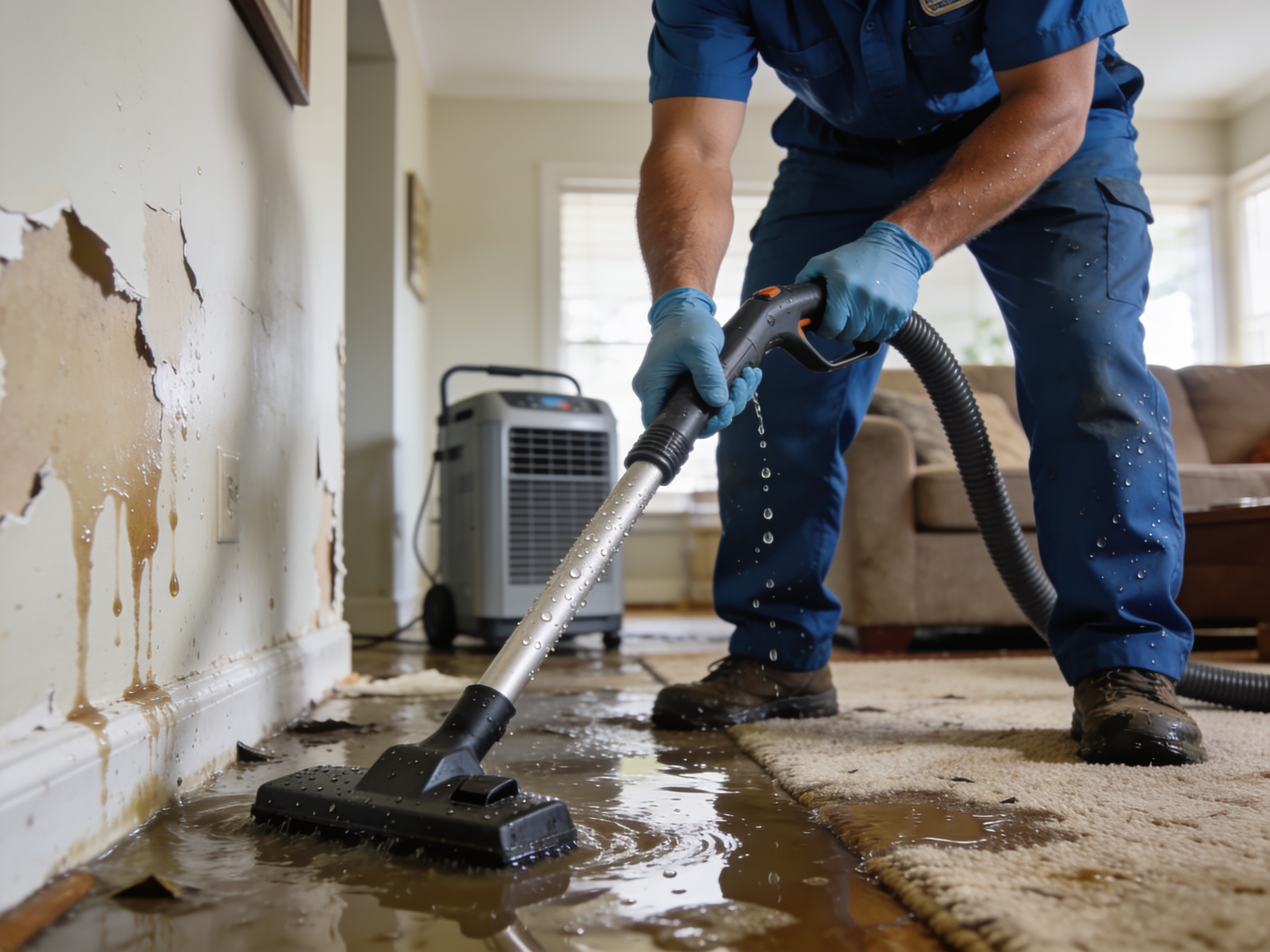
Virginia Beach's humid subtropical climate, moderated by the Atlantic, drives rapid secondary damage after leaks or flooding. Older wood-frame homes in Lynnhaven and Thoroughgood often have crawl spaces that trap moisture from nor'easters, while slab-on-grade properties near the Virginia Beach Boardwalk face salt intrusion that corrodes HVAC lines and subfloors. Technicians must account for these conditions when selecting drying equipment and antimicrobial treatments to prevent mold growth within 24 to 48 hours.
Kempsville and Bayside neighborhoods feature a mix of 1970s ranch homes and newer construction near Mount Trashmore Park, where poor grading around foundations channels runoff into basements during heavy summer rains. Restoration crews frequently encounter hidden water behind drywall and under engineered flooring, requiring moisture mapping with thermal imaging before any demolition. Work in these areas also considers proximity to Naval Air Station Oceana, where vibration from aircraft can loosen already compromised joints.
Sandbridge and Great Neck properties sit closer to tidal influences and First Landing State Park wetlands, increasing the risk of category 3 water events after coastal storms. Extraction here often involves removing saturated insulation from pier-and-beam homes while protecting against erosion on the sandy lots. Restoration plans must coordinate with Virginia Beach City permitting when structural members need replacement, especially in flood-prone zones near Cape Henry Lighthouse.
Service calls that cross into Chesapeake or Norfolk require crews familiar with shared storm drainage systems that back up into Princess Anne homes during king tides. Materials like oriented strand board used in many local builds absorb water faster than plywood, changing the scope of drying and replacement decisions on nearly every job.
Technician insight
In Virginia Beach the thing that catches most people out with water damage restoration is how quickly the humid air and salt spray turn a small appliance leak into widespread mold behind baseboards in 1970s homes around Kempsville and Bayside. Homeowners often stop the visible leak but skip daily moisture checks, allowing hidden saturation to reach the subfloor before we arrive.
Crawl Space Flood After Summer Storm
A Lynnhaven homeowner called after heavy rain pushed water under the pier-and-beam foundation near a clogged French drain. We found saturated insulation and elevated moisture in floor joists extending into two rooms. Extraction and targeted drying over four days prevented mold and allowed reinstallation of the vapor barrier without structural replacement.
Water Damage Restoration Service Services We Offer
✓Emergency Water Extraction
Rapid removal of standing water from basements and crawl spaces in Oceanfront and Sandbridge homes to limit structural saturation during nor'easters.
✓Structural Drying and Dehumidification
Placement of commercial air movers and dehumidifiers in Kempsville and Lynnhaven properties to bring moisture levels below 15 percent before mold sets in.
✓Carpet and Flooring Restoration
Salvage or replacement of saturated carpet, hardwood and laminate in Bayside and Great Neck residences after appliance leaks or roof failures.
✓Drywall and Insulation Removal
Targeted demolition of wet walls and insulation in Princess Anne and Thoroughgood homes followed by antimicrobial application to prevent hidden growth.
✓Crawl Space Water Mitigation
Pumping and vapor barrier installation in older Virginia Beach City homes near Mount Trashmore Park where seasonal humidity accelerates wood rot.
Water Damage Restoration Service Cost in Virginia Beach, VA
| Service | Typical Range | What Affects It |
|---|---|---|
| Category 1 water extraction and drying | $800–$2,200 | Clean water events in accessible areas; increases with multi-level homes or hidden wall cavities. |
| Category 2 or 3 water mitigation | $1,800–$4,500 | Contaminated water requiring containment, disposal and antimicrobial steps. |
| Crawl space drying package | $600–$1,400 | Includes vapor barrier inspection and equipment; common in Lynnhaven and Thoroughgood. |
| Flooring and subfloor restoration | $1,200–$3,000 | Depends on material type and whether salt corrosion is present near the oceanfront. |
Ranges are typical for Virginia Beach, VA and confirmed with an exact written quote before any work starts.
How it works
- 1
On-Site Assessment
Technicians arrive from the Production Road location, document moisture readings with meters and thermal cameras, and identify affected materials in the specific neighborhood.
- 2
Water Extraction
Standing water is removed using truck-mounted pumps and portable extractors suited to the volume and access constraints of the property.
- 3
Drying And Monitoring
Equipment is positioned and daily moisture logs are recorded until levels return to normal for the home's construction type and local climate.
- 4
Restoration And Repairs
Damaged drywall, flooring and insulation are replaced, with final walkthrough to confirm the structure is dry and ready for finishes.
Pricing
Pricing varies by water category, affected square footage, and access challenges common in Virginia Beach crawl spaces and older slabs.